
Do we usually do sports or yoga and want a set of comfortable, durable and body-fitting clothes? For fabrics in this regard, we can choose polyester fiber and spandex.
In fact, the combination of these two fabrics is not only common but also dominates the field of yoga wear. Although cotton fabric is breathable and comfortable, the perfect combination of the elasticity of polyester and the extensibility of spandex, which truly meet the needs of modern yoga enthusiasts, brings freedom, shaping and functionality.
So, why can this blended fabric dominate in yoga studios and global sportswear collections? Let’s explore and understand how this ingenious combination makes yoga wear comfortable, durable and fits the body well.
First of all, let’s take a look at the advantages of polyester fibers
1. Outstanding durability
Polyester fiber has extremely strong toughness and is very suitable for your daily yoga exercises.
Its wear-resistant, pilling and tear-resistant properties, as well as the strong and elastic fibers, enable your yoga wear to quickly return to its original shape without easily deforming.
2. Low maintenance (easy to care for)
The natural anti-wrinkle property of polyester fiber makes clothes usually not need to be ironed, which is very suitable for travel.
Unlike cotton or wool, polyester does not shrink significantly in a washing machine. Because fibers are hydrophobic (waterproof), they are not easily absorbed by liquids and thus are more difficult to be soiled by liquid substances.
3. Performance and versatility
Polyester fiber is the industry standard for sportswear and outdoor equipment.
Although it does not absorb water like cotton, high-quality polyester fibers are specially designed to draw sweat from the body surface to the fabric surface and evaporate it quickly.
It is lightweight and provides protection and coverage. It also has excellent dyeing performance, is more resistant to sunlight exposure (UV resistance) than natural fabrics, and is less likely to fade.
4. Cost effectiveness
The production cost of polyester fibers is usually lower than that of natural fibers such as silk, wool or linen. For users, purchasing can be more economical and cost-effective. As a manufacturer, it can greatly reduce costs while making materials more recyclable and energy-efficient.
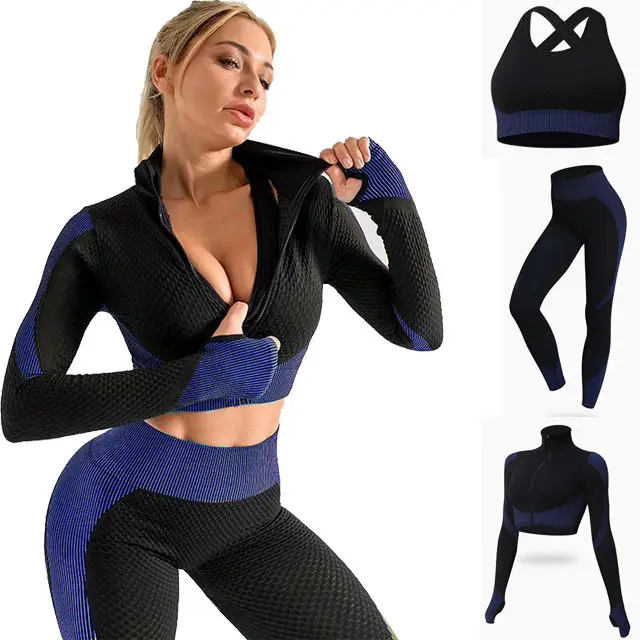
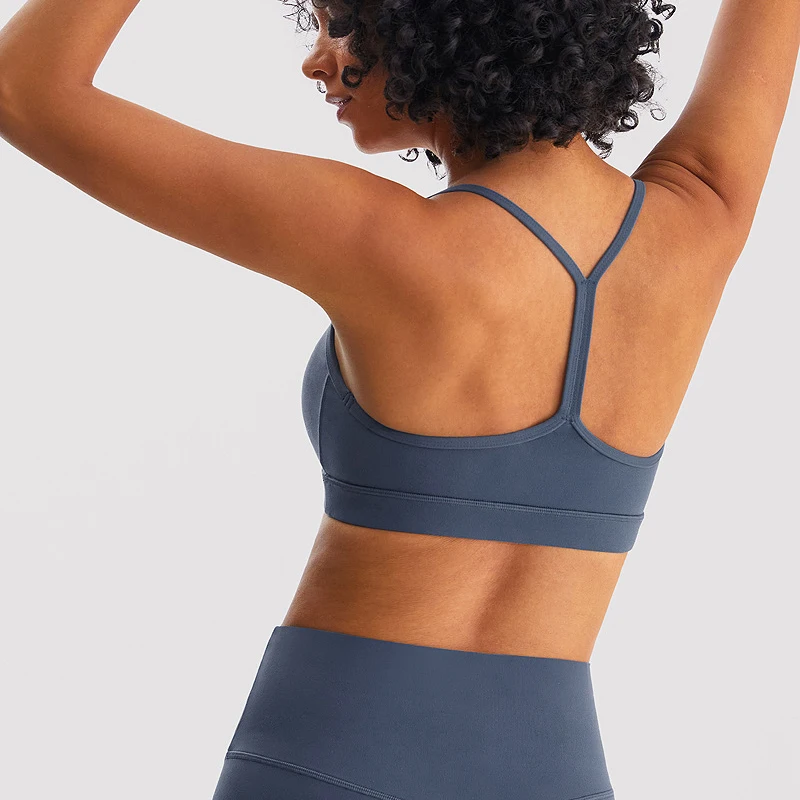
Secondly, let’s take a look at the advantages of spandex
Spandex (also known as elastic fiber or brand name Lycra) is renowned for its outstanding elasticity. Although it is rarely used alone, even adding a small amount (2-5%) to other fabrics can completely change the fit and wearing experience of the clothing.
1. Excellent elasticity
Spandex fibers can be stretched to 5 to 8 times their original length without breaking.
Crucially, it can not only be stretched but also quickly return to its original shape. This can prevent sagging and drooping after long-term wearing.
2. Fit and comfort
The chemical properties of this fiber make it smooth, soft and light. While conforming to the body’s curves, it can help clothing maintain a brand-new shape without deformation after multiple washes.
3. Durability and corrosion resistance
Spandex is a synthetic fiber (polyurethane-polyurea copolymer), and thus it has chemical resistance that natural fibers do not possess.
It is usually resistant to pilling and wear, and unlike rubber (which degrades rapidly after exposure to sweat and skin oils), spandex has relatively strong resistance to sweat, emulsions and detergents.
4. Multi-functional blending
Spandex is almost an auxiliary fabric. It is blended with other materials to combine their best properties with its own elasticity.
Conclusion
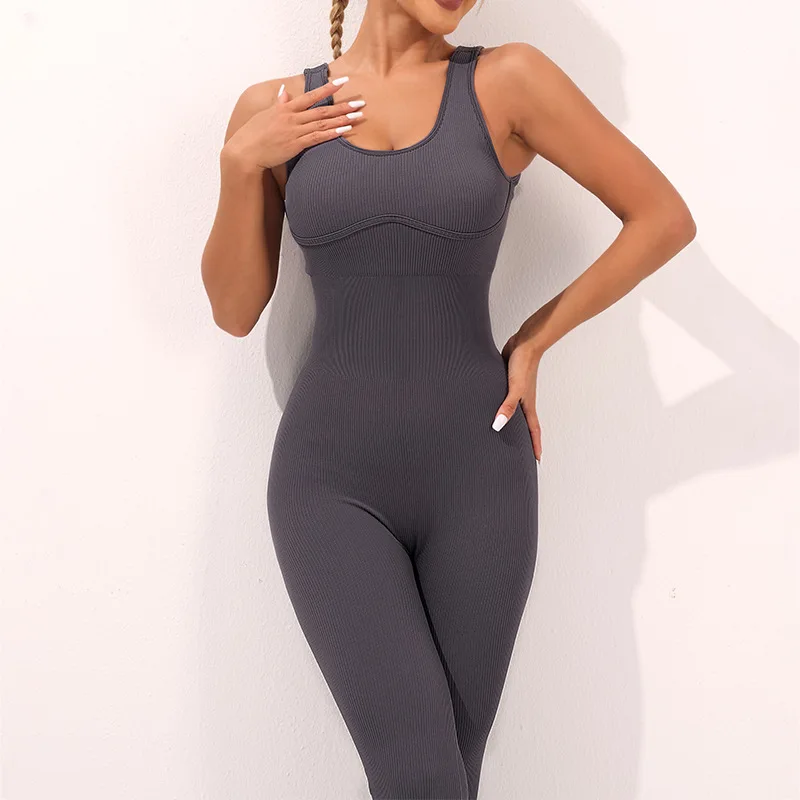
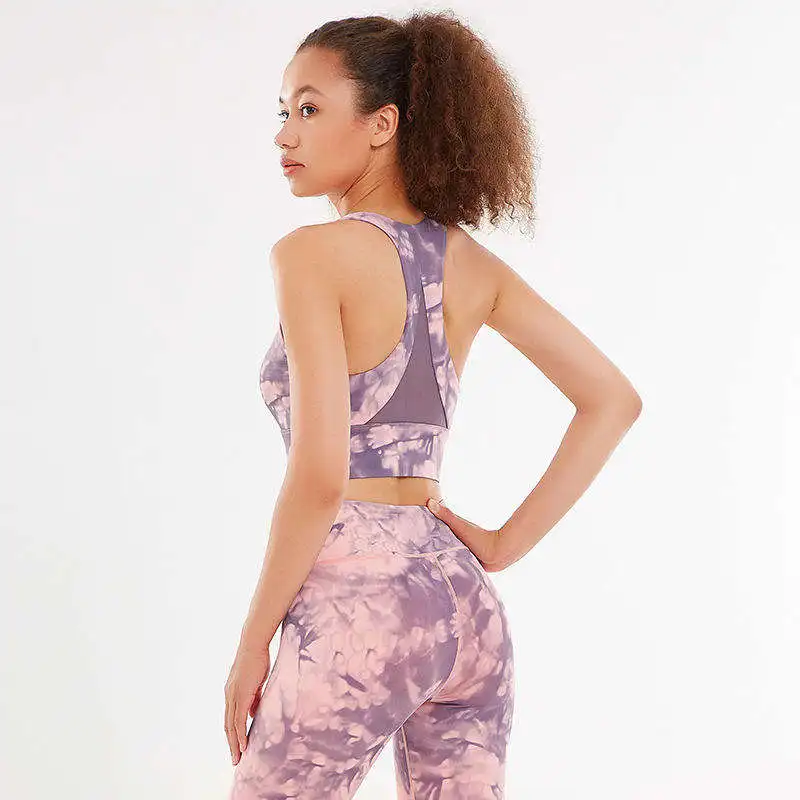
The combination of polyester fiber and spandex has become the standard formula for sportswear. This not only enables the excellent durability and moisture absorption and sweat-wicking properties of polyester fiber, but also offers the flexibility of spandex.
We understand that in the industry, reliable 80% polyester fiber +20% spandex is typically used to balance durability and elasticity. Based on real users and our team’s wearing tests, we found a slightly different direction.
We found that a ratio of 78% polyester fiber to 12% spandex can significantly enhance the wearing experience, and the slight reduction in spandex content does not sacrifice the necessary freedom of movement. On the contrary, it optimizes the fit of the clothing – reducing the sense of oppression and providing a softer support.
Of course, if you are looking for a well-fitting yoga outfit on your own that is not tight, has good support and is not restrictive – then you might as well choose a blended fabric with spandex content of 15% to 20% and polyester content of 80% to 85%. This ideal proportion usually offers the best balance of freedom, comfort and durability for most yoga practitioners.
The Wingtuactivewear team reminds itself that even the slightest percentage difference, once carefully adjusted, can affect the fabric’s touch, extensibility, and ultimately its user experience.