
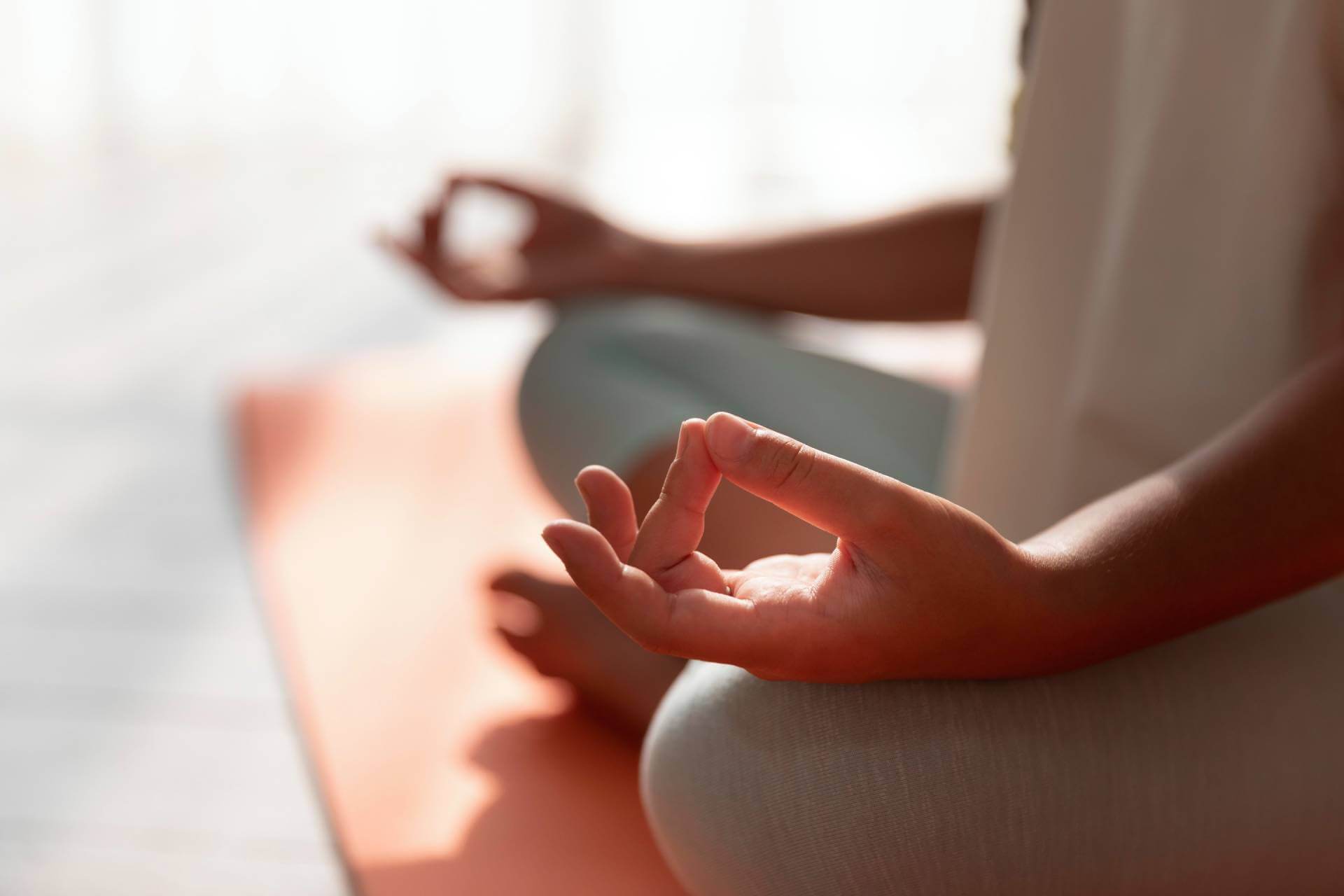
In the world of modern yoga, we are often drawn to those stunning poses and those that challenge gravity. Social media is flooded with pictures of perfect handstands and deep backbends, ingeniously reinforcing the notion that “controlling the body is the ultimate goal”. But what if we ignore this point?
The essence of yoga is far deeper than asanas. It does not lie in the flexibility of the body, but in the rhythm of breathing. Breathing is a quiet and stable bond that connects the body, mind and spirit – the true source of the transformative power of yoga.
Why is breathing better than perfect postures?
Classical yoga philosophy holds that asanas were originally designed to prepare the body for meditation. These poses are designed to enhance strength and tranquility rather than to become performing arts. However, nowadays many practitioners sacrifice their consciousness and body coordination in pursuit of advanced postures, eventually leading to injuries and depression.
Refocus our attention on breathing and let’s return to what truly matters: the inner experience.
The subtle benefits of conscious breathing
Anchor you to the present
Breathing is always with us – consistent in the ever-changing thoughts and feelings. By coordinating with breathing, we can cultivate mindfulness. Every inhalation and exhalation becomes an anchor, helping us stay calm when facing physical or emotional challenges.
A natural stress reliever
Science has confirmed what yoga practitioners have long known: slow and deep breathing can activate the parasympathetic nervous system, lower cortisol levels, and calm the mind. This is not merely spiritual wisdom, but the essence of neurobiology. A few minutes of diaphragmatic breathing can change your entire state.
The true teacher of the body
When your breathing becomes tense, shallow or unstable, it’s your body saying: “Slow down.” Back off. Listen.” Respecting your breathing can prevent injuries and keep your practice going for years to come.
Your emotional compass
Breathing is closely related to emotions. Anxiety shortens breathing, while joy deepens it. But this relationship is two-way: by consciously prolonging your exhalation, you can evoke calmness. This is the most natural form of self-regulation.
Dynamic meditation
Combine breathing with movement and transform yoga from exercise to dynamic meditation. Inhale to expand, exhale to release. This combination creates a state of flow – a spiritual clarity that transcends the yoga mat.
The flow of life energy
In yoga, breathing (Prana) is vitality. Breathing exercises (regulating the breath) aim to clear and balance energy channels (meridians), which not only contribute to physical health but also to the harmony of the body and mind.
Incorporate this into your practice today
- Start with observation. Sit down before moving. Pay attention to your natural breathing. No judgment, no control. Just be aware.
- Let breathing lead the movement. Inhale and stretch, exhale and contract. Let your breathing determine the rhythm and depth of each pose.
- Try counting breaths. Inhale for 4 seconds, hold your breath for 2 seconds, and exhale for 6 seconds. This breathing ratio helps to calm and concentrate – it can be practiced anytime and anywhere even outside the yoga mat.
- Try alternate nostril breathing (Nadi Shodhana). This method is very effective when you need to focus or keep your balance.
- Visualize and feel. Imagine yourself inhaling calmness and exhaling tension. Combine your breathing with the mantra you recite silently: “I am present” when inhaling and “I release” when exhaling.
The Story of Reinventing Oneself: Meeting Lina
When Lina started practicing yoga, she was eager to “perfectly master” every pose. She practiced hard but exerted too much force, often feeling powerless when she left. Later, an injury forced her to slow down. Her teacher encouraged her to forget the postures and just follow her breathing. Once I felt restricted, but now I suddenly have a clear understanding. She found more ease, presence and joy in the “simple” poses than in the advanced ones. Now, she uses her breathing awareness to deal with stressful moments at work, difficult conversations, and even waiting in line. Her practice did not decrease; instead, it was integrated into her life.
Your breath is always with you
The significance of yoga does not lie in what you can do on the mat, but in what you carry with you every day. Through breathing, you can find peace in pressure, patience in challenges and clarity in confusion.It doesn’t require flexibility, strength, nor does it need a pose worth sharing on Instagram. It only requires you to remember your breathing.